
A Complete Guide to Cat Care, Behavior, and Love
The cat is one of the most fascinating and beloved creatures in the animal kingdom, admired for its beauty, mystery, independence, and emotional intelligence. For thousands of years, cats have lived alongside humans, forming a unique bond that blends companionship with freedom. Unlike many domesticated animals, cats maintain a sense of wild elegance while still adapting comfortably to human homes. This balance between independence and affection is what makes cats so special and widely loved across cultures, families, and generations. Today, cats are not just pets; they are emotional companions, stress relievers, and cherished members of the family who bring joy and peace into daily life.
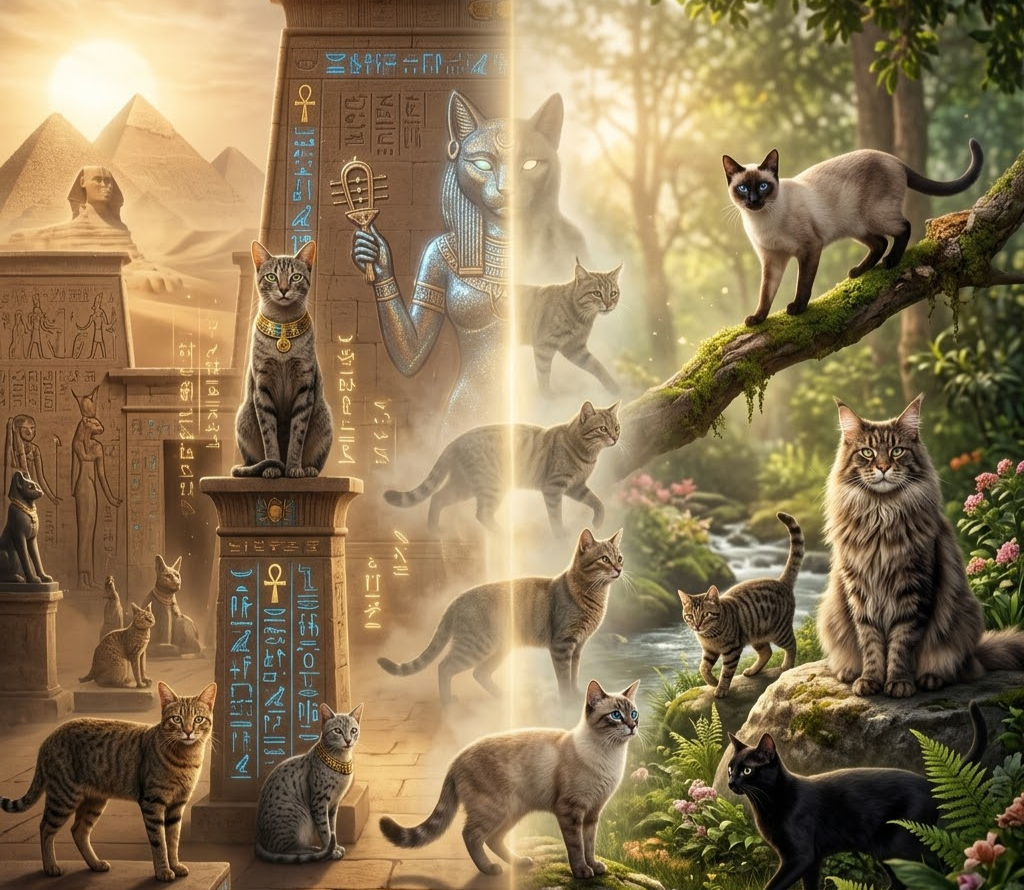
Throughout history, cats have held powerful symbolic meaning in many civilizations. In ancient Egypt, cats were considered sacred animals connected to divine protection and were deeply associated with the goddess Bastet. Killing a cat in ancient Egypt was considered a serious crime because cats were believed to bring good fortune, protection, and harmony to households. Egyptians admired their ability to control pests, protect food supplies, and maintain cleanliness, which made them highly valuable in daily life. Statues, paintings, and carvings of cats have been discovered in ancient tombs, showing just how deeply they were respected and worshipped.
In Norse mythology, cats were linked to the goddess Freyja, who was associated with love, fertility, and beauty. Her chariot was said to be pulled by large cats, symbolizing strength, mystery, and prosperity. In Japan, cats have long been viewed as symbols of good luck and wealth, often represented by the famous “Maneki-neko” or beckoning cat figurine, believed to bring fortune to businesses and homes. In medieval Europe, however, cats experienced a darker period where they were misunderstood and sometimes associated with superstition. Despite this, they remained valued for their ability to hunt rats and protect food supplies from contamination. Over time, cats regained their status as beloved companions and are now appreciated worldwide.
The domestic cat is scientifically known as Felis catus, a species that evolved from wild ancestors such as the African wildcat. Despite thousands of years of domestication, cats still retain many natural instincts that make them skilled hunters, climbers, and explorers. Their sharp reflexes, excellent night vision, flexible bodies, and retractable claws are all adaptations that helped them survive in the wild. Even today, house cats display these instincts through play, stalking movements, and curiosity-driven exploration. These traits make them not only entertaining pets but also fascinating creatures to observe and understand.
There are many different cat breeds, each with unique characteristics, personalities, and appearances. Some of the most popular breeds include the Persian cat, known for its long, fluffy coat and calm personality; the Siamese cat, recognized for its vocal nature and striking blue eyes; the Maine Coon, one of the largest domestic cat breeds with a friendly and gentle temperament; and the Bengal cat, famous for its wild leopard-like appearance and energetic behavior. British Shorthair cats are known for their round faces and calm nature, making them ideal indoor pets. Each breed has its own charm, and choosing the right cat depends on lifestyle, environment, and personal preference.
Proper cat care is essential to ensure a healthy and happy life for your feline companion. Although cats are often seen as independent animals, they still require attention, affection, and proper maintenance. A clean environment is very important, as cats are naturally clean animals that prefer tidy spaces. Providing fresh water, comfortable sleeping areas, and safe surroundings helps cats feel secure. Regular playtime is also essential because it keeps cats physically active and mentally stimulated. Without stimulation, cats may become bored, stressed, or develop unwanted behaviors such as scratching furniture or excessive sleeping.
Nutrition plays a critical role in cat health and overall well-being. Cats are obligate carnivores, which means they require a diet rich in animal protein to survive and thrive. High-quality cat food made from chicken, fish, turkey, or lamb provides essential nutrients that support muscle development, energy levels, and immune function. It is important to avoid feeding cats harmful human foods such as chocolate, onions, garlic, caffeine, and processed snacks, as these can be toxic and dangerous. A balanced diet improves coat shine, digestion, energy, and longevity. Fresh water should always be available, as hydration is essential for kidney health and overall body function.
Kitten care requires extra attention and patience because young cats are still developing physically and emotionally. Kittens need specialized food that supports growth and development, as well as frequent feeding schedules. They should also receive timely vaccinations and regular veterinary checkups to prevent diseases. Early socialization is very important, as it helps kittens grow into friendly and confident adult cats. Gentle handling, exposure to different environments, and positive human interaction contribute to healthy emotional development. Proper kitten care lays the foundation for a well-behaved and affectionate adult cat.
Cat grooming is another essential aspect of maintaining feline health and hygiene. Grooming includes brushing the fur, trimming nails, cleaning ears, and occasionally bathing when necessary. Long-haired cats require more frequent grooming to prevent matting and hairballs, while short-haired cats require less maintenance but still benefit from regular brushing. Grooming not only keeps cats clean but also improves circulation and strengthens the bond between cats and their owners. Many cats enjoy grooming sessions when introduced gently and positively.
Indoor cats and outdoor cats have different lifestyles, each with its own advantages and risks. Indoor cats are generally safer because they are protected from traffic accidents, predators, infections, and environmental dangers. They also tend to live longer due to reduced exposure to risks. However, indoor cats require enrichment activities such as toys, climbing trees, scratching posts, and interactive play to stay mentally and physically active. Outdoor cats enjoy more freedom and exploration but face greater risks, including injuries, diseases, and environmental hazards. Many pet owners prefer indoor living with supervised outdoor time to balance safety and stimulation.
Cat training is possible and can be very effective when done with patience and positive reinforcement. While cats are not as naturally obedient as dogs, they can still learn routines and behaviors such as using the litter box, responding to their name, and avoiding certain restricted areas. Reward-based training using treats and praise works best, as cats respond better to encouragement than punishment. Consistency is key, and over time, cats can develop strong habits that make life easier for both pet and owner.
One of the most interesting features of cats is their whiskers, which serve as highly sensitive sensory tools. Whiskers help cats detect changes in their surroundings, measure spaces, and navigate in the dark. They are deeply connected to a cat’s nervous system, making them extremely important for balance and awareness. Observing whisker positions can also help understand a cat’s mood. Forward-facing whiskers often indicate curiosity or excitement, while flattened whiskers may signal fear or discomfort.
Cats also exhibit a variety of unique behaviors that reflect their emotions and instincts. Kneading, where cats push their paws against soft surfaces, is a sign of comfort and affection that often traces back to kittenhood. Slow blinking is another behavior that indicates trust and love, often referred to as a “cat kiss.” Head bunting, where cats gently rub their heads against people or objects, is a way of marking territory and showing affection. Cats also enjoy catnip, which can trigger playful and excited behavior due to natural chemical reactions in their brains.
Purring is one of the most soothing and recognizable sounds made by cats. Cats often purr when they are relaxed, happy, or seeking comfort. Interestingly, purring may also have healing properties, as vibrations produced during purring are believed to promote bone and tissue healing. Many cat owners find the sound of purring calming and therapeutic, helping reduce stress and anxiety in humans as well. This makes cats not only companions but also natural emotional healers.
Cats are highly intuitive animals and are often believed to sense human emotions. Many cat owners report that their pets respond differently when they are sad, stressed, or sick. Cats may stay close, offer gentle presence, or behave more calmly during emotional moments. This sensitivity makes cats deeply connected to human emotional states, strengthening the bond between pet and owner. Their quiet support and comforting presence make them ideal companions for people experiencing loneliness or emotional challenges.
In modern life, cats have become more than just household pets; they are important emotional support animals. Studies have shown that interacting with cats can reduce stress, lower blood pressure, and improve mental health. The simple act of petting a cat can release calming hormones and reduce anxiety. Many therapy programs now include cats to help patients in hospitals, nursing homes, and mental health centers. Their calming presence provides comfort, companionship, and emotional stability.
In conclusion, the world of cats is rich with history, science, emotion, and beauty. From ancient civilizations that worshipped them to modern homes where they are cherished family members, cats have always held a special place in human life. Understanding cat care, cat health, kitten care, cat grooming, cat food, and cat behavior helps create a stronger and healthier bond between humans and their feline companions. Cats are not just animals; they are friends, healers, protectors, and lifelong companions who bring warmth and happiness into our lives every single day.