
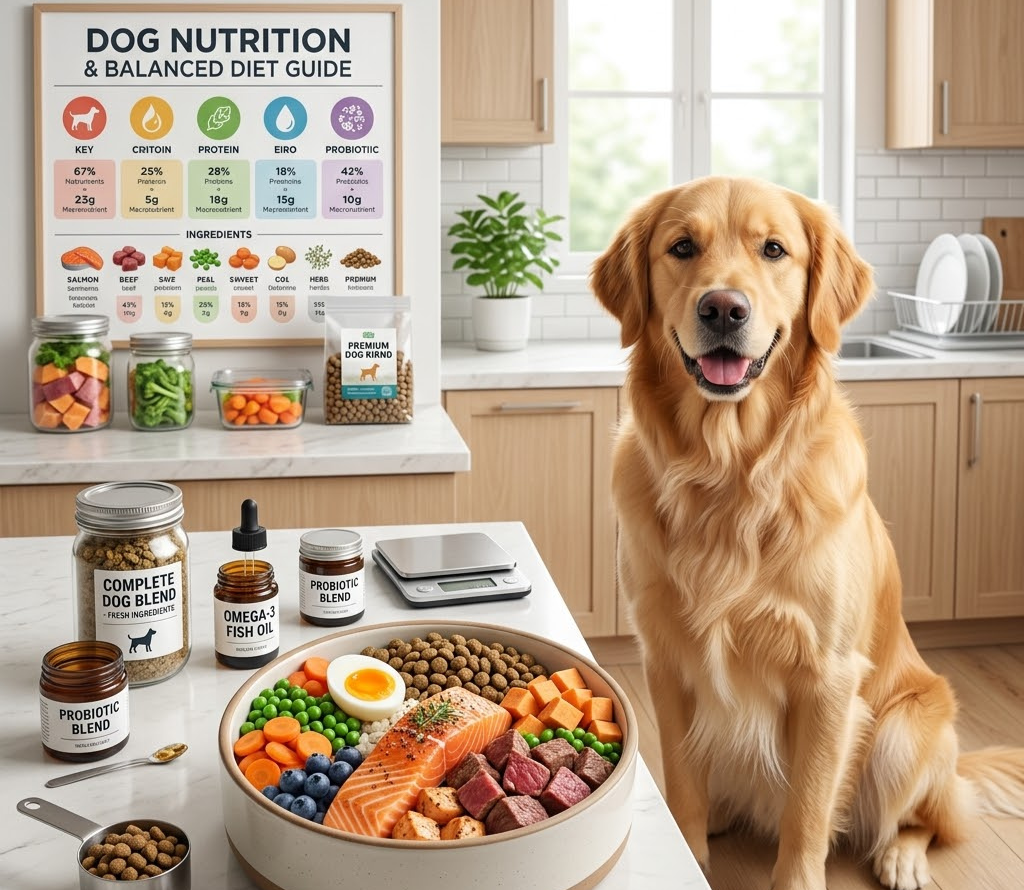
A Complete Guide to Understanding Nutrition, Choosing the Right Food, and Supporting Your Dog’s Health
Feeding your dog may seem like a simple daily routine, but behind every bowl lies a complex world of nutrition, science, and care. Decoding the Dinner Bowl of Dogs is about understanding what truly goes into your pet’s food and how it impacts their health, energy, and overall well-being. With countless brands, ingredients, and marketing claims available, choosing the right diet can feel overwhelming.
Dogs rely entirely on their owners to provide balanced and nutritious meals. The right food fuels their growth, supports their immune system, and keeps them active and happy. On the other hand, poor dietary choices can lead to health issues, reduced energy, and long-term complications.
This guide takes you deep into Decoding the Dinner Bowl of Dogs, helping you understand nutritional needs, explore different food types, read labels effectively, and make informed decisions that ensure your furry friend thrives.
Decoding the Dinner Bowl of Dogs: Understanding Nutritional Needs
Building the Foundation of a Healthy Diet
Every dog is unique, and their dietary needs vary based on several factors. In Decoding the Dinner Bowl of Dogs, understanding these needs is the first step toward proper nutrition.
Age Matters
Puppies require nutrient-rich diets to support rapid growth and development. Their food must be high in protein, calcium, and essential vitamins. Adult dogs need balanced nutrition to maintain energy levels and overall health. Senior dogs often require specialized diets focusing on joint health, digestion, and reduced calorie intake.
Breed and Size
Different breeds have different nutritional requirements. Large breeds need controlled calcium and phosphorus levels to support bone health, while small breeds may require calorie-dense food due to their faster metabolism.
Activity Level
Active dogs, such as working or sporting breeds, need higher protein and calorie intake to sustain their energy. Less active dogs require fewer calories to prevent weight gain.
Health Conditions
Dogs with specific health issues may require special diets. For example, dogs with allergies might need limited-ingredient food, while those with kidney or heart conditions may benefit from therapeutic diets.
Understanding these factors is essential when Decoding the Dinner Bowl of Dogs, as it ensures that your pet receives the right nutrients for their individual needs.
Types of Dog Food: Exploring the Options
Choosing What Goes Into the Bowl
The pet food market offers a variety of options, each with its own benefits and considerations. In Decoding the Dinner Bowl of Dogs, knowing these options helps you make the best choice.
Dry Food (Kibble)
Kibble is one of the most popular choices due to its convenience and long shelf life. It provides balanced nutrition and helps maintain dental health through chewing. However, not all kibble is created equal—some may contain fillers and artificial ingredients.
Wet Food
Wet food is highly palatable and contains more moisture, making it ideal for dogs that need extra hydration or have dental issues. It is often more expensive and requires proper storage.
Raw Food Diet
Raw diets mimic a dog’s natural eating habits, including raw meat, bones, and vegetables. While they can offer nutritional benefits, they require careful preparation to avoid contamination and ensure balance.
Homemade Food
Preparing food at home allows for complete control over ingredients. However, it requires proper knowledge and guidance from a veterinarian or nutritionist to avoid deficiencies.
Each option plays a role in Decoding the Dinner Bowl of Dogs, and the best choice depends on your dog’s specific needs and lifestyle.
Understanding Dog Food Labels
Reading Beyond the Marketing Claims
One of the most important skills in Decoding the Dinner Bowl of Dogs is understanding how to read food labels.
Ingredients List
Ingredients are listed in order of weight. High-quality dog food should list real meat or protein sources as the first ingredient.
Guaranteed Analysis
This section shows the percentages of protein, fat, fiber, and moisture. It helps you compare different products.
Nutritional Adequacy Statement
This indicates whether the food meets established nutritional standards for a specific life stage.
Additives and Preservatives
Look for natural preservatives and avoid excessive artificial additives.
By learning to interpret labels, you can make informed decisions and avoid misleading marketing tactics.
Decoding the Dinner Bowl of Dogs: Choosing the Right Food
Making Smart and Healthy Decisions
Selecting the right food is a crucial part of Decoding the Dinner Bowl of Dogs. Here are key steps to guide you:
Consult a Veterinarian
Your vet can recommend the best diet based on your dog’s age, breed, and health condition.
Consider Your Dog’s Preferences
Dogs have taste preferences. Finding a food they enjoy ensures consistent eating habits.
Evaluate Nutritional Value
Focus on quality ingredients and balanced nutrition rather than brand popularity.
Transition Gradually
When changing food, introduce it slowly over 7–10 days to prevent digestive issues.
Special Diet Considerations
Addressing Unique Needs
Some dogs require specialized diets as part of Decoding the Dinner Bowl of Dogs.
Allergies and Sensitivities
Dogs with allergies may benefit from limited-ingredient diets or novel protein sources.
Weight Management
Overweight dogs need calorie-controlled diets and regular exercise.
Medical Conditions
Conditions such as diabetes, kidney disease, or heart issues may require therapeutic diets prescribed by a veterinarian.
The Role of Hydration
An Often Overlooked Factor
Water is a vital component of a dog’s diet. Proper hydration supports digestion, circulation, and temperature regulation. Always ensure your dog has access to clean, fresh water.
Wet food can contribute to hydration, but it should not replace the need for water.
Common Feeding Mistakes
What to Avoid
In Decoding the Dinner Bowl of Dogs, avoiding common mistakes is just as important as choosing the right food.
- Overfeeding or underfeeding
- Feeding table scraps or harmful foods
- Ignoring portion control
- Switching diets too quickly
- Not considering age-specific needs
Being mindful of these mistakes helps maintain your dog’s health and prevents long-term issues.
The Emotional Side of Feeding
More Than Just Nutrition
Feeding time is more than just a routine—it’s a bonding experience. In Decoding the Dinner Bowl of Dogs, understanding this emotional connection enhances your relationship with your pet.
Dogs often associate food with comfort, routine, and love. Maintaining consistent feeding times and creating a calm environment can improve their eating habits and overall well-being.
The Future of Dog Nutrition
Innovation and Awareness
As awareness grows, the future of Decoding the Dinner Bowl of Dogs is evolving. Trends such as organic food, sustainable ingredients, and personalized nutrition plans are becoming more popular.
Advancements in pet nutrition science are helping owners make better choices, ensuring that dogs receive the best possible care.
Mastering the Art of Feeding Your Dog
A Lifelong Commitment to Health and Happiness
Decoding the Dinner Bowl of Dogs is not just about choosing food—it’s about understanding your dog’s needs, making informed decisions, and providing the best possible care.
A well-balanced diet supports your dog’s physical health, emotional well-being, and overall quality of life. By learning about nutrition, reading labels, and consulting professionals, you can ensure your dog thrives at every stage of life.
In the end, every meal you serve is an act of love. By mastering the art of feeding, you give your dog the gift of health, happiness, and a life full of energy and joy.